September 10, 2026
Every day, millions of drivers turn the key in their ignition, expecting their vehicle to roar to life and carry them safely to their destination. For the most part, modern vehicles are incredibly reliable engineering marvels, designed to withstand years of heavy use and extreme conditions. However, mechanical wear and tear are inevitable. When your vehicle starts making an unusual rattling sound, shaking violently at a stoplight, or leaking mysterious fluids onto your driveway, your mind likely jumps straight to the worst-case scenario. No one wants to deal with the stress, downtime, and expense of an unexpected auto engine repair.
Unfortunately, avoiding the mechanic forever is impossible. To keep your vehicle running smoothly and extend its lifespan, you need to understand the most common threats to its longevity. According to Consumer Affairs, the four most common auto repairs involve the electrical system, cooling system, engine and transmission, and fuel components. These distinct areas act as the vital organs of your vehicle. If any one of them begins to fail, the ripple effect can cause catastrophic damage to the entire motor block.
We believe that an educated driver is a safer driver. By understanding how these critical systems operate and what warning symptoms to watch out for, you can catch minor issues before they require major auto engine repair.
1. Electrical System
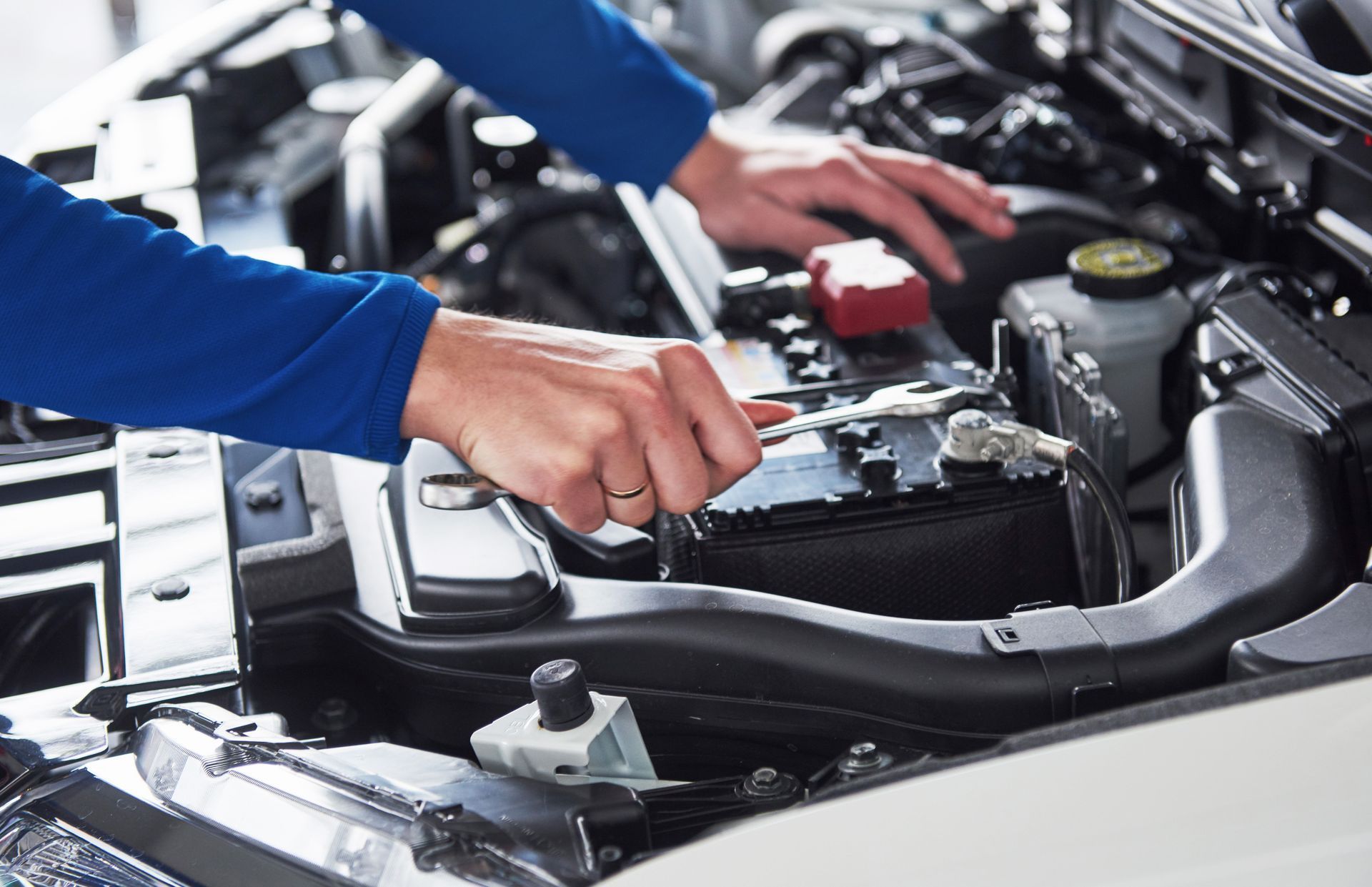
When people think of motor troubles, they often picture oily gears, broken belts, and heavy mechanical parts. However, the modern automobile relies heavily on a complex web of highly sensitive electronics. Your vehicle's electrical system is responsible for starting the motor, keeping it running efficiently, and powering all the accessories inside the cabin. The core components of this system consist of the battery, the starter, and the alternator.
If your battery is dying, your car simply won't start in the morning. But the alternator is often the hidden culprit behind frequent and frustrating electrical failures. The alternator is responsible for charging the battery while the motor is running and providing continuous power to the electrical system. If the alternator fails, your car will quickly drain the remaining battery power and die while you are actively driving. Warning signs of an electrical issue include dimming headlights, power windows that roll up sluggishly, or a rapid clicking sound when you turn the key.
Furthermore, modern engines are controlled by an Engine Control Unit (ECU), a centralized computer that relies on a vast network of sensors. If a sensor fails or the wiring becomes corroded, the ECU receives bad data, causing the motor to misfire, idle roughly, or stall completely. Ignoring these early warning signs can lead to cascading failures across the powertrain. What starts as a simple wiring patch or sensor replacement can easily escalate into a situation requiring extensive auto engine repair if the motor is forced to operate under improper electrical parameters for too long.
2. Cooling System
Internal combustion creates a massive amount of heat. Without a functioning cooling system to regulate these extreme temperatures, the metal components inside your motor would rapidly expand, warp, and ultimately fuse together. Overheating is arguably the fastest and most efficient way to completely destroy a healthy motor.
The cooling system is comprised of the radiator, water pump, thermostat, hoses, and coolant fluid (often called antifreeze). As the motor runs, the water pump pushes coolant through specialized channels in the engine block, where it absorbs the intense heat. The hot fluid then travels out to the radiator, where the airflow from driving cools it back down before it recirculates.
Cooling system failures almost always start small. A tiny, microscopic crack in a rubber hose or a slowly failing seal around the water pump can cause a gradual coolant leak. If the coolant level drops too low, the system can no longer absorb the necessary heat. You might notice a sweet, syrupy smell inside the cabin (the scent of burning coolant), steam billowing from under the hood, or your dashboard temperature gauge spiking into the red zone. If your car ever overheats, you must pull over immediately and turn the ignition off. Continuing to drive an overheating vehicle for even a few blocks will almost certainly warp the cylinder heads or blow the head gasket, leading to the most expensive and time-consuming type of auto engine repair imaginable.
3. Engine and Transmission
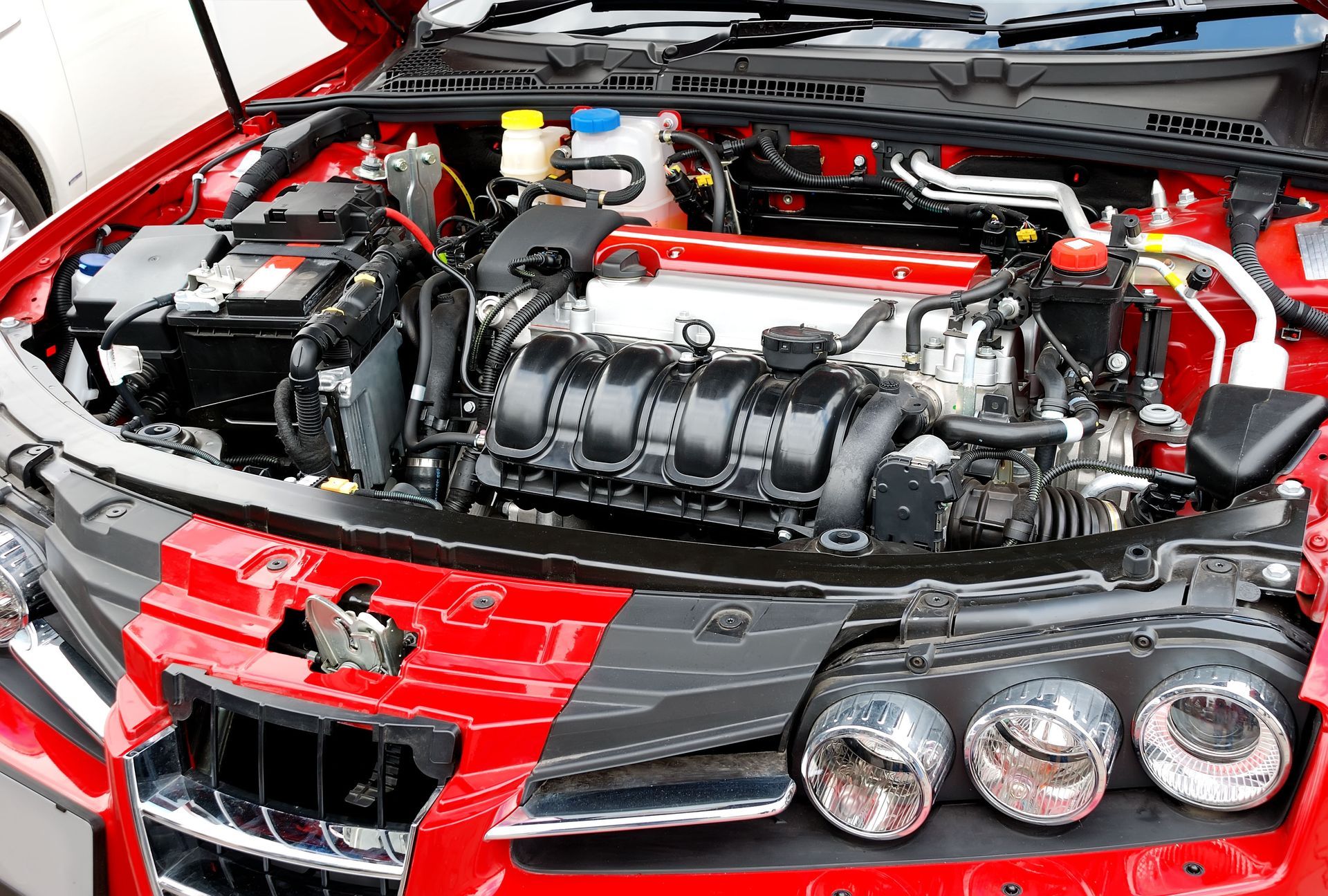
While the electrical and cooling systems support the motor, the core mechanical components — the motor block itself and the transmission — are the true heart and muscle of the vehicle. The engine generates the raw power, and the transmission dictates how efficiently that power is delivered to the wheels. Because they are mechanically linked and rely on each other to function, a problem in one often directly affects the other.
Inside the motor block, numerous heavy moving parts must stay perfectly synchronized and continuously lubricated. Timing belts or timing chains ensure that the intake and exhaust valves open and close at the exact right millisecond. If a timing belt snaps while you are driving at highway speeds, the internal pistons can violently smash into the valves, effectively destroying the motor from the inside out. Similarly, failing to change your motor oil leads to a thick buildup of sludge, drastically increasing friction and rapidly wearing down the internal bearings.
The transmission faces its own set of intense mechanical challenges. Whether automatic or manual, the transmission relies on specific, clean fluids to provide hydraulic pressure and lubrication. When this fluid breaks down or leaks, you might experience slipping gears, delayed shifting, or a harsh clunking noise when accelerating. Many drivers panic at the thought of serious transmission rebuilds or invasive auto engine repair, but preventative maintenance is the ultimate key. Catching a minor oil leak, noting a slightly slipping gear, or addressing a flashing check engine light immediately is the best way to prevent a minor mechanical hiccup from turning into a major auto engine repair overhaul.
4. Fuel Components
For a motor to run efficiently, it needs these primary things: a strong electrical spark, healthy internal compression, and a highly precise mixture of fuel and air. The fuel system is responsible for safely storing the gasoline and delivering it to the combustion chambers in exact quantities. This vital system includes the fuel tank, fuel pump, fuel filter, and fuel injectors.
Over time, microscopic dirt, debris, and impurities found in standard gasoline can clog the fuel filter. If the filter is bypassed or becomes entirely restricted, that abrasive debris travels straight into the delicate fuel injectors. The injectors are designed to spray a microscopic, fine mist of gasoline directly into the cylinders. When they become clogged by debris, the spray pattern is disrupted, or the fuel flow is restricted entirely. This results in the motor running "lean," which means there is too much air and not enough fuel in the combustion chamber.
A motor running lean will frequently misfire, hesitate during acceleration, and suffer a drastic drop in overall gas mileage. Additionally, making the electric fuel pump work overtime to push gasoline through a heavily clogged filter will eventually cause the pump to burn out, leaving you stranded in a parking lot. If your motor isn't getting the right mix of fuel and air, it experiences uneven combustion temperatures and excess internal mechanical stress. Ignoring these rough idling and hesitation symptoms means the motor works much harder than it was ever designed to, inevitably requiring professional auto engine repair to fix burnt valves, damaged catalytic converters, or damaged pistons down the line.
Whether you are dealing with a mysterious electrical gremlin that drains your battery, a leaking radiator that threatens to overheat your car, a slipping transmission, or a heavily clogged fuel system, our experienced technicians have the advanced diagnostic tools and the hands-on expertise to get you back on the road safely. We specialize in comprehensive auto engine repair alongside all the routine maintenance services your car needs to thrive. Contact Boyd's General Repair to learn more about our full range of automotive services and to book your next visit.